
Workplace burnout in Australia: how employers can support wellbeing every day
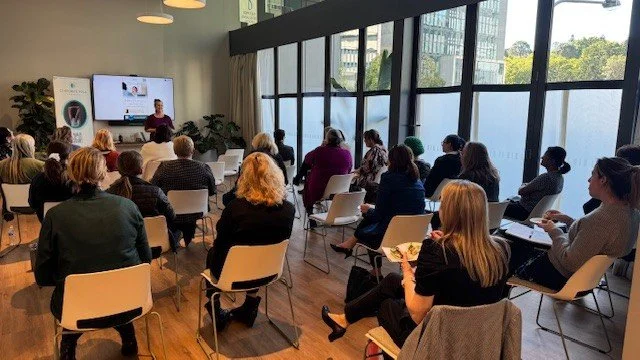
Making time for wellbeing conversations, shared learning and practical support within the working day.
What would make your working day feel more manageable?
A clearer set of priorities? Time to take a proper lunch break? A manager who listens when the workload becomes too much? An opportunity to step away from the screen and reconnect with colleagues?
These everyday experiences deserve attention when we talk about workplace wellbeing.
The 2026 State of Workplace Burnout Report found that 36% of Australian workers are experiencing burnout, while 47% say their wellbeing has deteriorated over the past year.
Recently shared by Beyond Blue, the research from Infinite Potential and the Ultimo Institute at the University of Technology Sydney highlights the important role workplace conditions play in people’s wellbeing.
For employers, these findings provide an opportunity to reflect on how people experience their working day — and what meaningful support could look like.
Start by listening to your people
A useful starting point is a conversation about what helps people do their jobs and what makes work unnecessarily difficult.
Are expectations clear? Is there enough time to complete the work? Can people ask for support without worrying that they will be seen as incapable or uncommitted?
You might ask your team:
What is creating the most pressure in your working week?
What would help you manage your workload?
Do you feel able to take breaks and switch off after work?
What wellbeing support would you realistically use?
Make space for different answers. An employee working from home may have different needs from someone managing a busy reception desk or moving between meetings all day.
Listening is the beginning. Following up with practical changes shows people that their feedback matters.
Make it possible to take a break
Encouraging people to look after themselves carries more weight when the working day allows them to do so.
That might mean leaving space between meetings, reviewing competing deadlines or making sure someone can step away from their desk without returning to an overwhelming backlog.
Managers can help by taking their own breaks, discussing capacity openly and being clear about which tasks take priority.
If a team member is consistently working through lunch or staying late, it is worth exploring what is getting in the way.
The aim is to create a working environment where taking a reasonable break feels ordinary and supported.
Give wellbeing a place in the working week
At Corporate Yoga Australia, we create opportunities for people to move, pause, breathe and connect within their working day.
That could be a short desk-based movement session, a yoga or Pilates class, a guided meditation or a wellbeing workshop.
These experiences offer dedicated time for people to step away from their usual tasks and take part in something together. They can also introduce simple practices that participants may choose to use again.
Their place is within a broader commitment to employee wellbeing, alongside manageable workloads, supportive leadership and attention to how work is organised.
A useful question for employers is: “Have we made space for our people to participate?”
Scheduling a session during working hours and protecting that time helps turn an invitation into a realistic opportunity.
Keep participation accessible
Workplace wellbeing should accommodate different bodies, confidence levels, locations and working arrangements.
Some employees will enjoy a mat-based class. Others may prefer gentle seated movement, a short mindfulness session or an online option they can join from home.
Consider practical details such as:
Sessions that do not require a change of clothes.
Seated and standing movement options.
Shorter formats for teams with limited time.
Online access for remote colleagues.
Clear information about what to expect.
Voluntary participation, with no pressure to share personal experiences.
Ask for feedback after introducing something new. The most useful program is one that suits the people it is intended to support.
Build connection into the experience
A workplace wellbeing session also creates an opportunity for colleagues to spend time together outside their usual tasks.
For teams that mainly connect through emails, meetings and deadlines, a shared activity offers a different setting for conversation.
Leave a little breathing space around the session where possible. A few minutes to arrive, settle in or chat afterwards can make the experience feel more welcoming.
Keep reviewing who can attend, too. If the same people consistently miss out because of their hours, location or responsibilities, consider another format or time.
Plan for consistency
A wellbeing event can be a valuable introduction. Regular opportunities give people the chance to discover what they enjoy and what fits into their week.
As you plan for 2027, start with something manageable. Ask your team what they need, choose an approach that suits your workplace and review it together.
At Corporate Yoga Australia, we offer onsite and online yoga, Pilates, desk wellbeing, mindfulness, breathwork and workshops, alongside our online wellbeing studio.
We’d love to help you create accessible wellbeing experiences that fit your people and support your wider workplace wellbeing plans.
Explore our workplace wellbeing options.
Further reading: Beyond Blue’s announcement about the 2026 State of Workplace Burnout Report, including a link to the full report.
